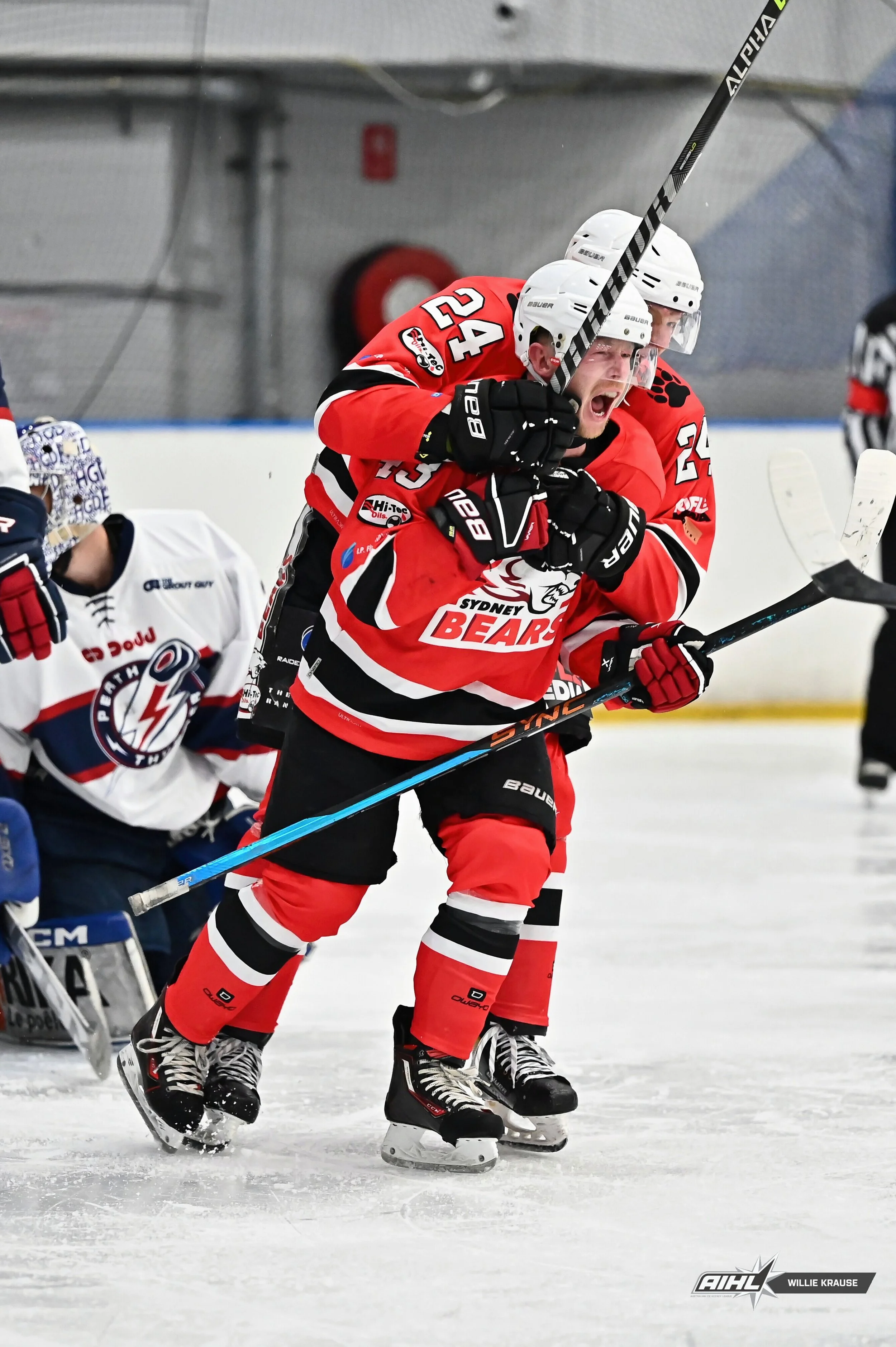
Your guide to ice hockey

Ice hockey is fast, loud and best experienced live. If you’ve never been to a game before, you won’t be the only one. Plenty of people in the crowd are watching hockey for the first time, learning as they go, and having a great night out.
This page will give you just enough context so you can settle in, follow the action, and enjoy the experience from the first face-off.
How a Game Is Structured
Periods
A game is played over three periods
Each period is 20 minutes
There are short breaks between periods
Teams on the Ice
Each team has 6 players on the ice at a time, 3 forwards,
2 defencemen and 1 goalie
Player Changes
Players rotate on and off constantly, these are called line changes.
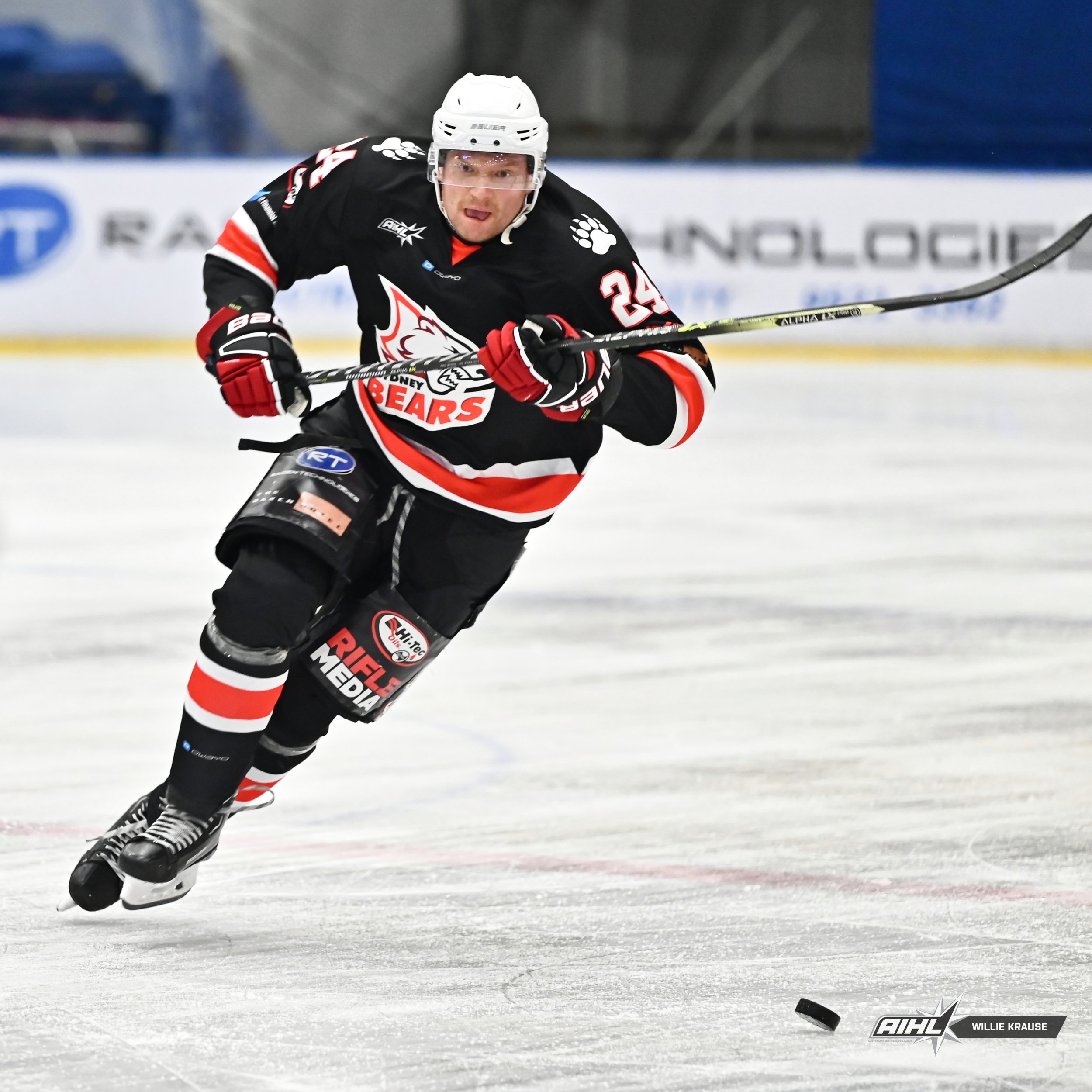
The basics
You don’t need to know every rule. These are the ones that come up most often.
Offside
An attacking player can’t enter the offensive zone before the puck. If they do, play stops and restarts. If you hear a whistle just as a team enters the attacking end, this is usually why.
Icing
A player can’t shoot the puck all the way from their defensive end past the opposing goal line without it being touched. If they do, play stops and the puck comes back. This prevents teams from just dumping the puck to waste time.
Penalties
When a rule is broken:
The player goes to the penalty box for 2, 4, 5 or 10 minutes, depending on the type of penalty.
Their team plays short-handed for a set time.
This gives the other team a power play.
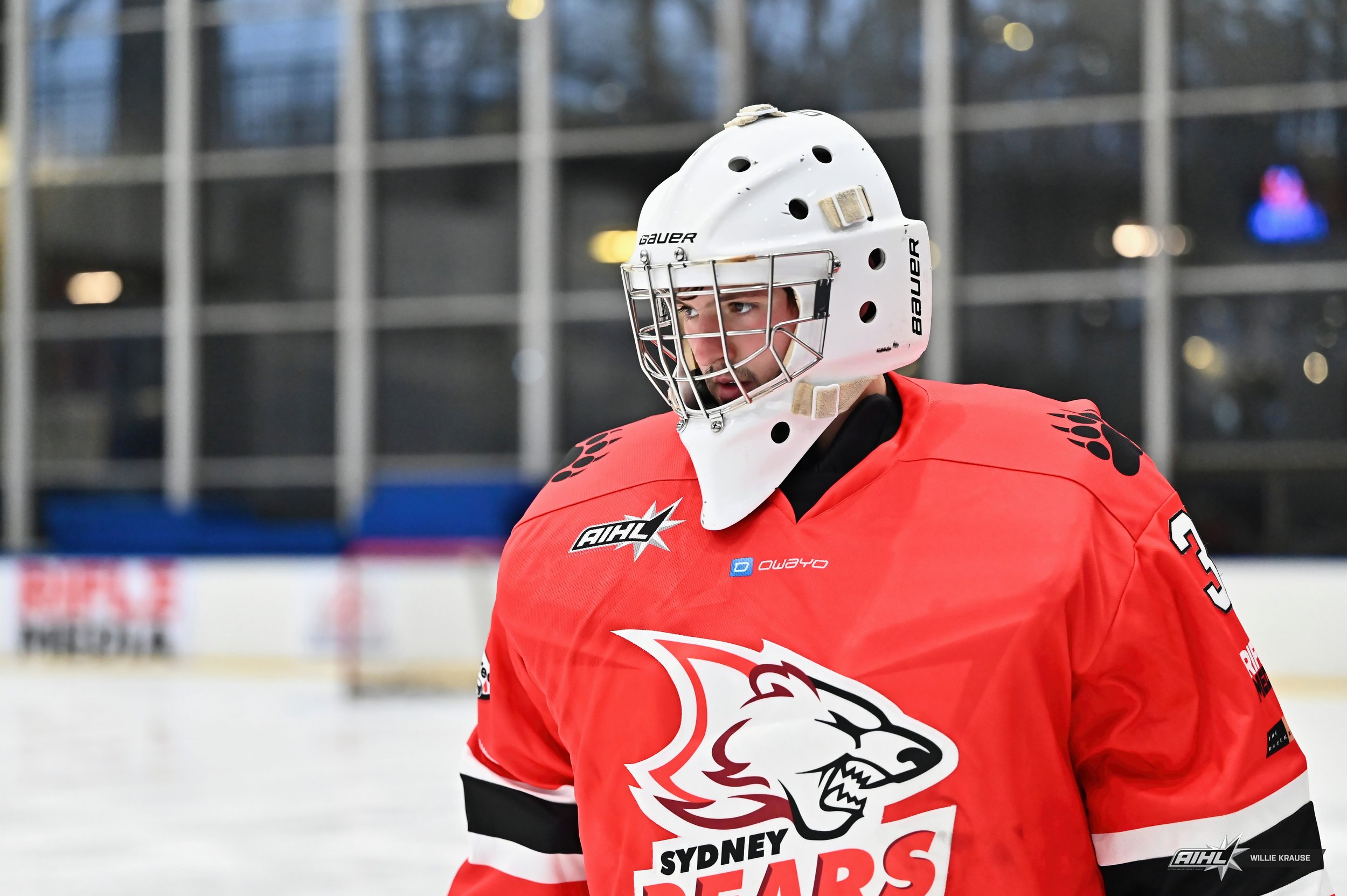
Common whistles
Tripping - Using a stick, leg, or body to cause an opponent to fall
Hooking - Using the stick to slow down or restrict an opponent
Slashing - Swinging the stick at an opponent
Holding -Grabbing an opponent or their equipment
Interference - Hitting or blocking a player who doesn’t have the puck or preventing a player from getting to where they’re skating
Cross-Checking -Using two hands on the stick to push an opponent
Boarding - Forcing a player violently into the boards
Roughing - Minor pushing, shoving, or scrums after the whistle
Fighting - Players dropping gloves and punching
High-Sticking -Contacting an opponent with a stick held too high